
Self-Invention and Reinvention
Lady in the LakeThis thematic flow follows the novel's many characters as they create new names and new selves.
increasing Bearing strength in each event
 decreasing
Bearing strength in each eventdecreasingNotebook Codes
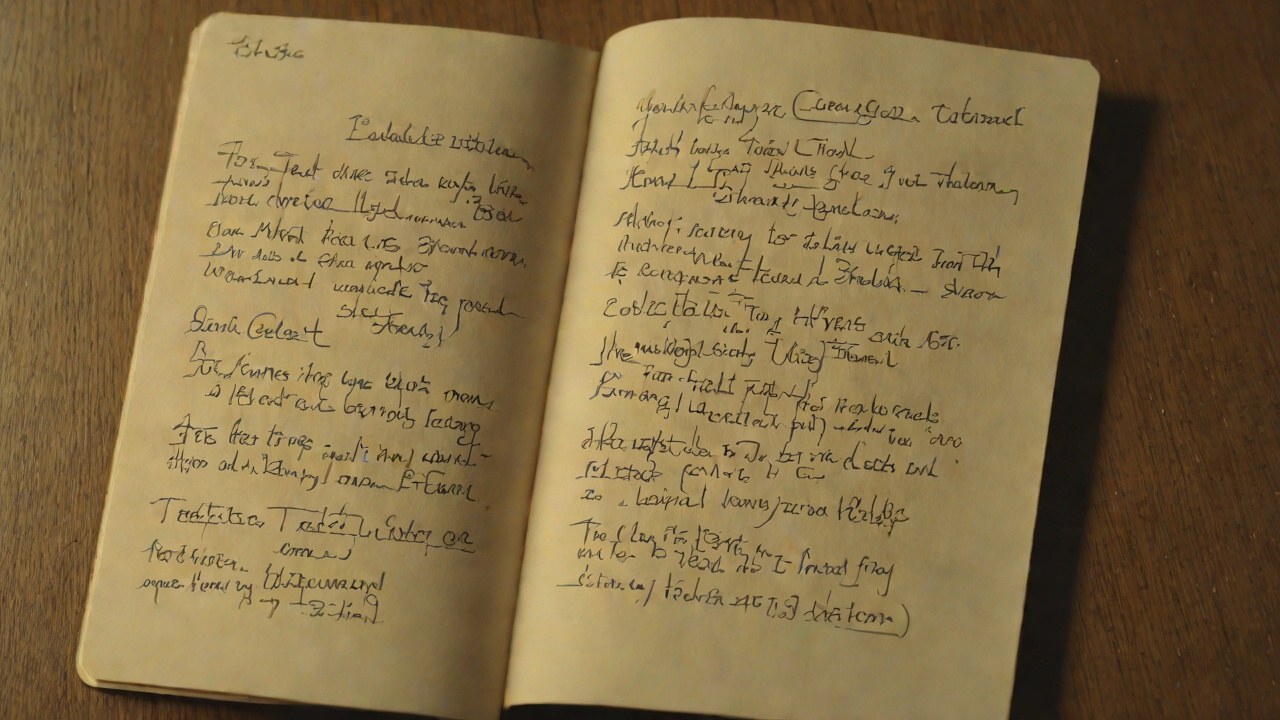
Notebook Codes
Young Maddie keeps a coded notebook tracking how far each boy progressed. The codes give her a private taxonomy of seduction.
Context
The system is a young woman's way of claiming power. She records what she has won, not what she has lost.
Significance
The notebook is an early act of self-invention: Maddie chooses what to admit to paper. It also foreshadows her later career as a writer of her own life.
Maddie Morgenstern to Schwartz

Maddie Morgenstern to Schwartz
Maddie marries Milton Schwartz and becomes a respectable wife, shedding the girl who loved an older man and hid a secret.
Context
The marriage is an escape from shame. She chooses safety, but the cost is a creativity and passion that lies dormant for twenty years.
Significance
Maddie's first reinvention is into sameness. Her second, divorcing Milton and becoming a reporter, is the act that defines her.
Wallace Wright Wally Weiss

Wallace Wright Wally Weiss
Wally Weiss changes his name to Wallace Wright, hides his Judaism, and becomes a broadcast personality. Inside, he remains the love-struck boy who pressed Maddie's orchid.
Context
The new name helps him connect with his mostly Christian audience. His face and voice are masks, and even his successful identity feels inauthentic.
Significance
Wally's reinvention is a cautionary tale about hiding the past. Unlike Maddie, he does not change inside.
Madeline Schwartz Reporter

Madeline Schwartz Reporter
Bob Bauer's article credits Madeline Schwartz as the woman who corresponded with Stephen Corwin. The italicized name makes Maddie visible for the first time.
Context
She is not the byline, only a source, but the credit sparks her ambition. The name Madeline Schwartz now belongs to a person of note.
Significance
The reinvention from housewife to newspaperwoman begins with a typographic afterthought. Maddie will spend the rest of the book claiming the word reporter.
Cleo Becomes Latetia

Cleo Becomes Latetia
Cleo Sherwood fakes her death and assumes the identity of her roommate Latetia. She sacrifices her name to survive.
Context
Latetia's body is mistaken for Cleo's, and Cleo escapes to Philadelphia. Her family mourns a woman who is still alive.
Significance
Reinvention is a privilege and a prison. Cleo gains a life, but she loses her children, her name, and any chance of public recognition.
Columnist's Autobiography
Columnist's Autobiography
Maddie tells version after version of her own story at the Woman's Club, but the lecture is a curated performance. The real autobiography remains unpublished.
Context
She mentions the garden lover and the judge but not Ferdie or Cleo. Her public self is a palimpsest over a hidden life.
Significance
The final reinvention is the most thorough: Maddie becomes her own narrator, but her readers will never know the whole truth.
Maddie's teenage years
1948
1950s-1960s
May 1966
January 1966
October 1985
